


About
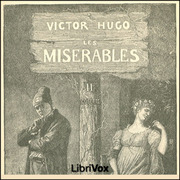
LibriVox recording of Hans of Iceland by Victor Hugo. (Translated by Abby Langdon Alger.) Read in English by Sonia Hans of Iceland was written in 1821 and is the very first novel written by young Victor, years before he became the great Hugo. It has all the ingredients of a gothic novel: dreadful murders by the hand of a human monster, a young hero in love with the destitute heroine, royal court-intrigues and rebellious uprising, all set in dungeons, dark towers and the untamed nature of Norway. This audio-book has been recorded as Dramatic Reading with all the voices performed by one single reader, including laughs, sobs, groans, occasional screams and a lot of growls. I hope you will enjoy listening to this adventurous journey just as much as I enjoyed recording it. - Summary by Sonia For further information, including links to online text, reader information, RSS feeds, CD cover or other formats (if available), please go to the LibriVox catalog page for this recording. For more free audio books or to become a volunteer reader, visit LibriVox.org . M4B Audiobook part 1 (183MB) M4B Audiobook part 2 (180MB)
Listen online
Chapter 1 / 55
01 - Introduction
Total duration: 13:12:28
The author
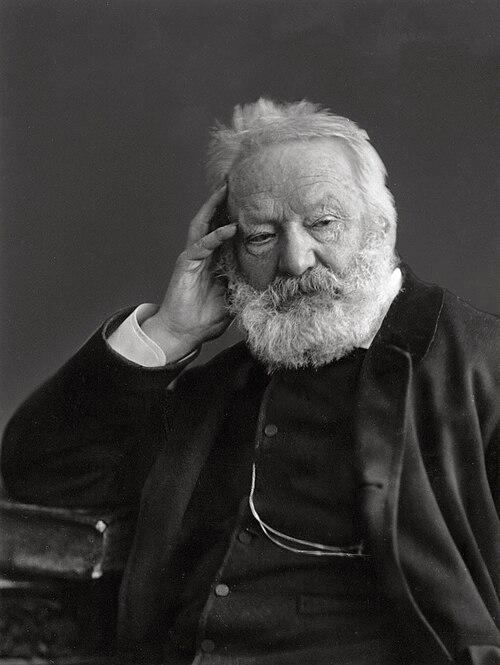
Victor Hugo
Victor-Marie Hugo, vicomte Hugo (French: [viktɔʁ maʁi yɡo] ; 26 February 1802 – 22 May 1885) was a French Romantic author, poet, essayist, playwright, journalist, human rights activist and politician. His most famous works are the novels The Hunchback of Notre-Dame (1831) and Les Misérables (1862). In France, Hugo is known for his poetry collections, such as Les Contemplations and La Légende des siècles (The Legend of the Ages). Hugo was at the forefront of the Romantic literary movement with his play Cromwell and drama Hernani. His works have inspired music, both during his lifetime and after his death, including the opera Rigoletto and the musicals Les Misérables and Notre-Dame de Paris. He produced more than 4,000 drawings in his lifetime, and campaigned for social causes such as the abolition of capital punishment and slavery. Although he was a committed royalist when young, Hugo's views changed as the decades passed, and he became a passionate supporter of republicanism, serving in politics as both deputy and senator. His work touched upon most of the political and social issues and the artistic trends of his time. His opposition to absolutism, and his literary stature,…
See all their booksBy the same author
More novels
Reviews & ratings
No reviews yet. Be the first!
Books like this one