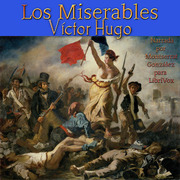
LibriVox recording of Los Miserables: Tomo II by Victor Hugo. (Translated by Nemesio Fernández) Read in Spanish by Mongope. Valjean de nuevo es capturado y condenado a trabajos forzados de por vida. Encarcelado en el puerto militar de Toulon rescata a un marinero atrapado en el aparejo de la nave. Los espectadores piden su liberación. Valjean finge su propia muerte por dejarse caer al mar. Las autoridades le dan por muerto. Entonces viaja hasta la posada de los Thérnardier en busca de Cosette. Descubriendo como tratan a la hija de la difunta Fantine, Valjean decide llevársela y adoptarla como su hija. Viven en los barrios parisinos más pobres hasta que son aceptados en un convento, al que llegan huyendo, una vez más, de Javert. Summary by Wikipedia For further information, including links to online text, reader information, RSS feeds, CD cover or other formats (if available), please go to the LibriVox catalog page for this recording. For more free audio books or to become a volunteer reader, visit LibriVox.org . M4B Audiobook 01-38 (188MB) M4B Audiobook 39-76 (156MB)
Listen online
Chapter 1 / 76
01 - <font><font>TOMO II. </font><font>Segunda parte: Cosette. </font><font>LIBRO I Waterloo. </font><font>Capítulo I: Lo que se encuentra al salir de Nivelles.</font></font>
Total duration: 12:42:46
The author
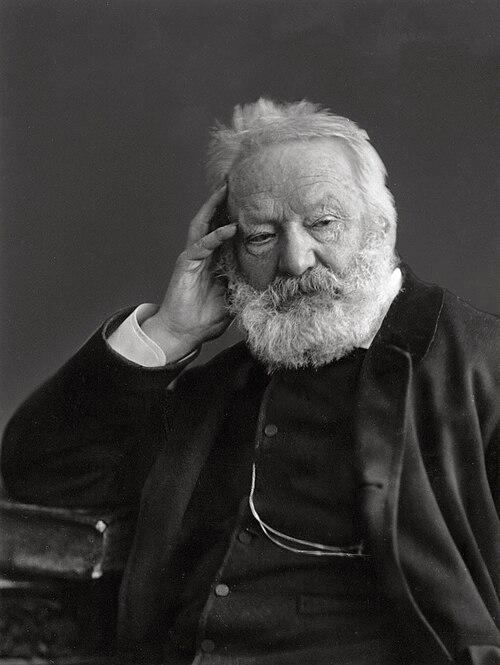
Victor Hugo
Victor-Marie Hugo, vicomte Hugo (French: [viktɔʁ maʁi yɡo] ; 26 February 1802 – 22 May 1885) was a French Romantic author, poet, essayist, playwright, journalist, human rights activist and politician.
His most famous works are the novels The Hunchback of Notre-Dame (1831) and Les Misérables (1862). In France, Hugo is known for his poetry collections, such as Les Contemplations and La Légende des siècles (The Legend of the Ages). Hugo was at the forefront of the Romantic literary movement with his play Cromwell and drama Hernani. His works have inspired music, both during his lifetime and after his death, including the opera Rigoletto and the musicals Les Misérables and Notre-Dame de Paris. He produced more than 4,000 drawings in his lifetime, and campaigned for social causes such as the abolition of capital punishment and slavery.
Although he was a committed royalist when young, Hugo's views changed as the decades passed, and he became a passionate supporter of republicanism, serving in politics as both deputy and senator. His work touched upon most of the political and social issues and the artistic trends of his time. His opposition to absolutism, and his literary stature,…