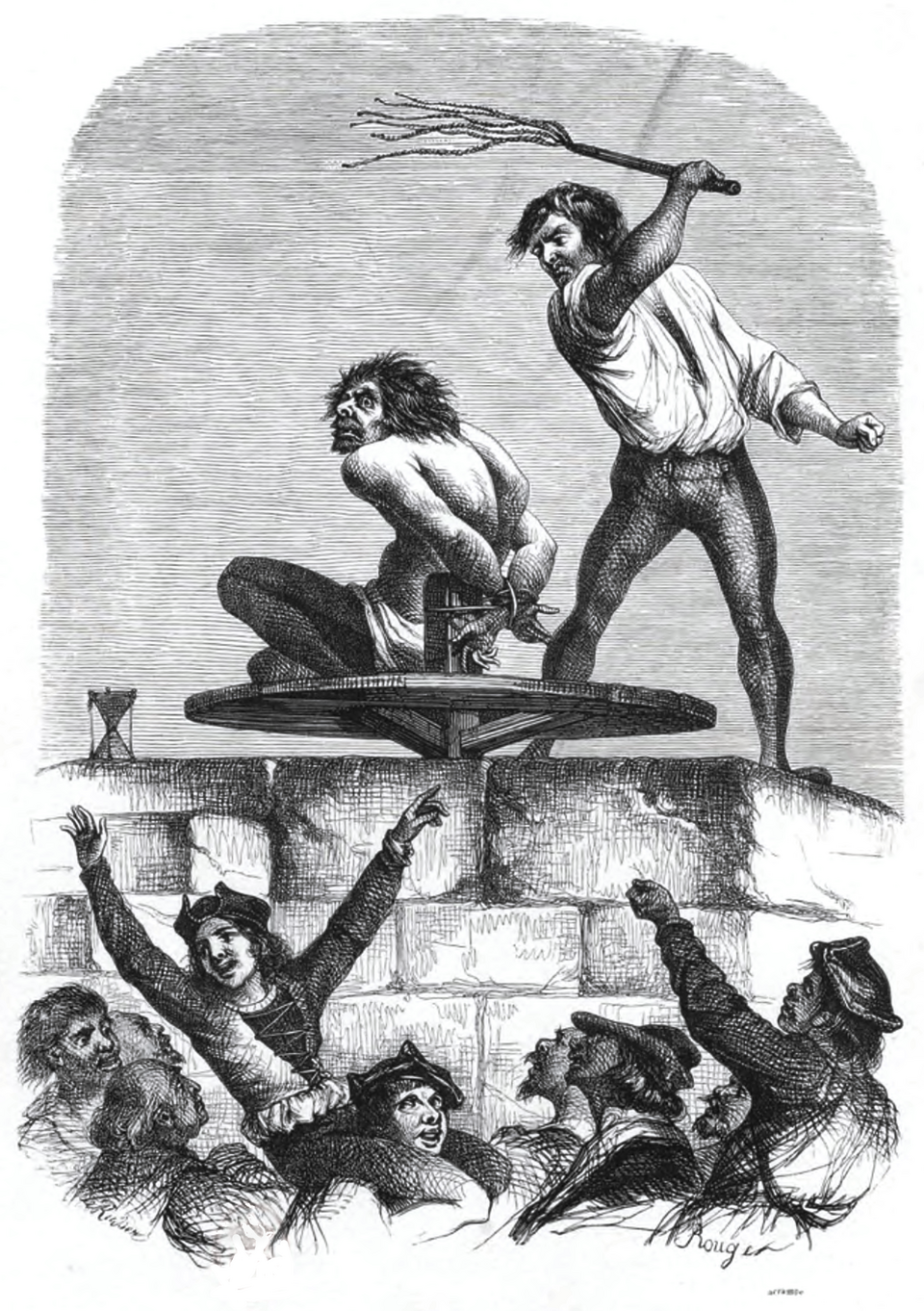
On November 27, 2026, Netflix releases Quasimodo, The Soul of Paris (internationally titled The Hunchback, Soul of Paris), a French period film directed by Jean-François Richet with Vincent Cassel. It is not a straight adaptation of Victor Hugo's novel. Instead, it imagines the life of a man who may have inspired Hugo's famous bell-ringer.
So, was Quasimodo a real person? The honest answer: maybe, a little. Here is what we actually know.
The novel came first: Notre-Dame de Paris (1831)
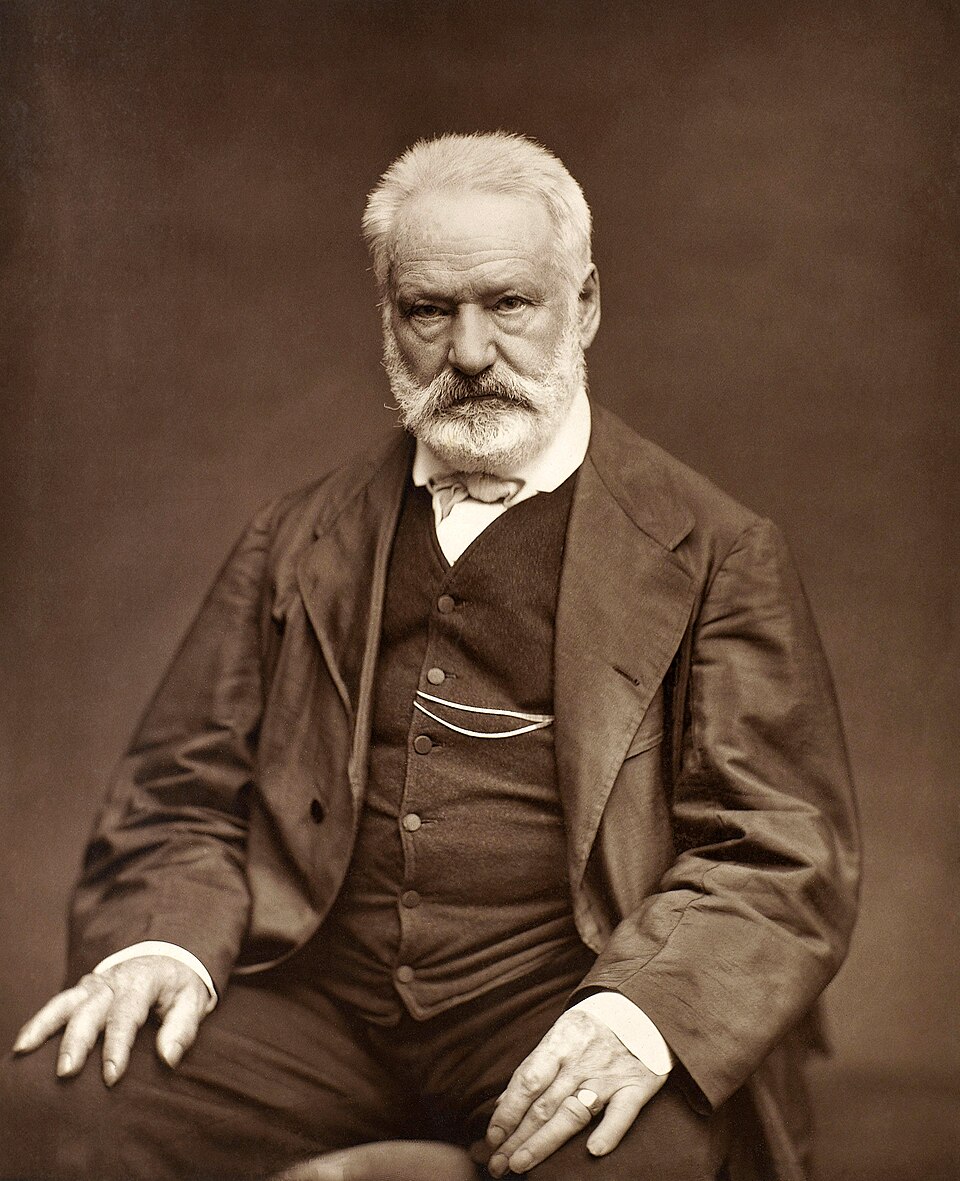
Victor Hugo published Notre-Dame de Paris in 1831. English readers know it as The Hunchback of Notre-Dame. The story is set in 1482. Quasimodo, the deaf bell-ringer of the cathedral, is devoted to Esmeralda, a young street dancer. She is also desired by Claude Frollo, the archdeacon who raised Quasimodo, and charmed by the captain Phoebus.
But Hugo's real hero is the cathedral itself. He wrote the novel partly to defend Gothic architecture, which was being neglected and badly altered at the time. The book's success helped spark public interest in restoring Notre-Dame.
You can read The Hunchback of Notre-Dame for free in a 19th-century English translation.
The clue: a sculptor's memoir
In 2010, Tate, the British art museum, announced that papers in its archive may provide a clue to the identity of Hugo's Quasimodo.
The papers are the memoirs of Henry Sibson (1795–1870), a British sculptor. Archivist Adrian Glew found them while cataloguing the collection. Sibson describes working in Paris in the 1820s, on government works connected to Notre-Dame. He mentions a hunchbacked carver nicknamed "Le Bossu" (the hunchback) in the workshop.
Victor Hugo was in Paris at the same time and was deeply interested in the cathedral. That is the whole basis of the theory.
What we can and cannot say
- What is documented: a real hunchbacked stone carver worked near Notre-Dame in the years before the novel, according to one memoir.
- What is not proven: that Hugo ever met him, or that he based Quasimodo on him. Even Tate presented it only as a possible clue. The man's real name was not identified.
- What the film invents: according to the release coverage, the film is set in 1830 Paris under the threat of cholera, and builds a fictional story around this theory. Treat it as a historical drama, not a documentary.
In short: Quasimodo is a literary creation. A real man may have planted the seed.
Why the novel is still worth reading
If you only know the Disney version, the original will surprise you. It is darker, funnier and much more political. There is no happy ending. Hugo spends whole chapters on Paris seen from the towers, on printing, on medieval justice. Some readers skip those chapters on a first read, and that is fine.
More Victor Hugo in English
- Les Misérables: the great novel of Jean Valjean, free in five volumes. See our reading guide to Les Misérables.
- The Man Who Laughs (1869): a boy disfigured into a permanent grin, in 17th-century England.
- Hans of Iceland: Hugo's first novel, a wild gothic tale, also available as an audiobook.
All of Hugo's works are in the public domain: he died in 1885. Find them on his author page, to read online or download as PDF.
Cover image: Louis-Henri de Rudder / François Rouget, public domain, via Wikimedia Commons.