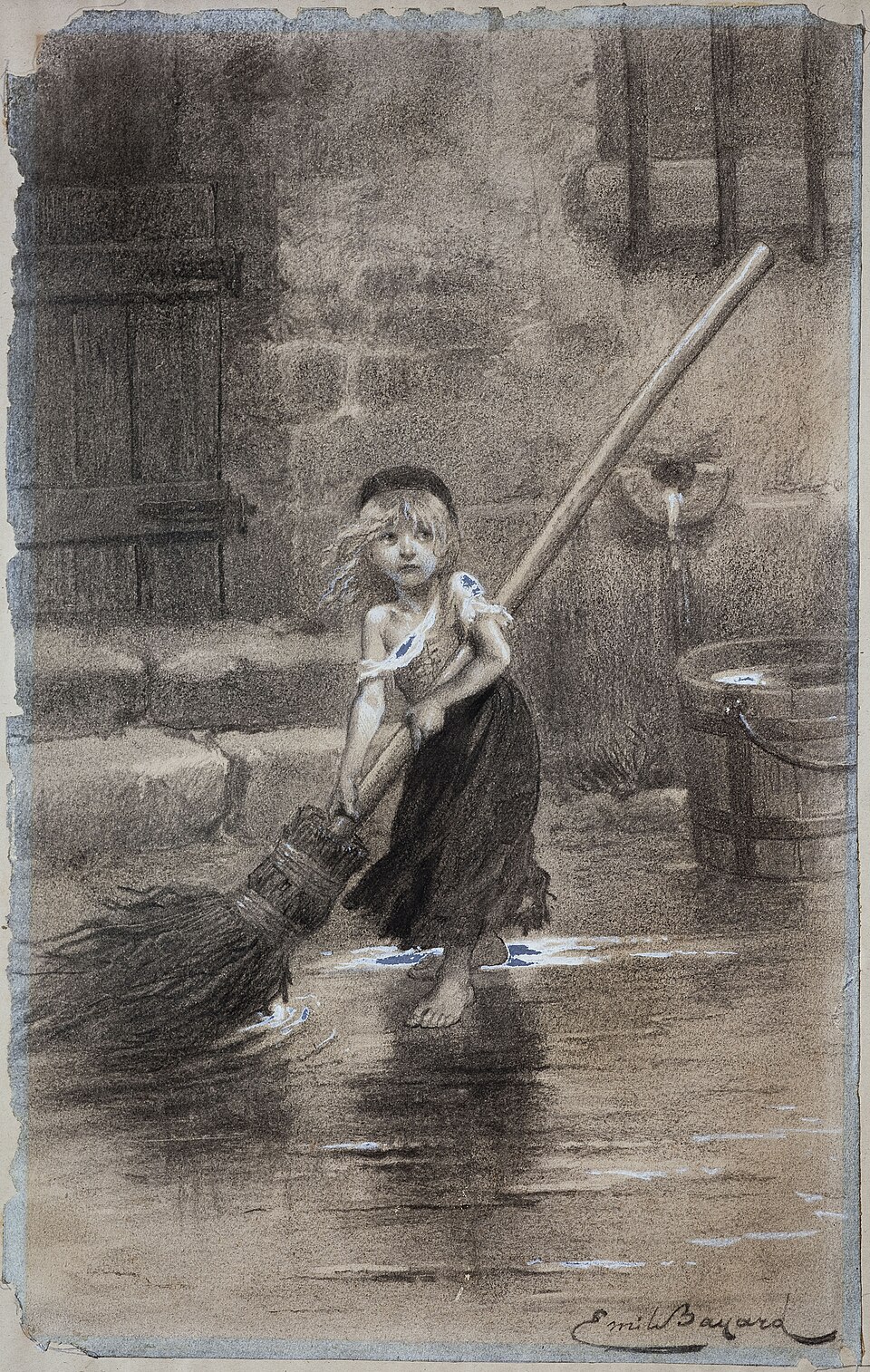
Victor Hugo published Les Misérables in 1862, while in exile on the island of Guernsey. It is one of the longest novels most people will ever attempt, and one of the most rewarding. The musical and the films have made the story famous, but the book is far richer.
The good news: it is divided into five volumes, and each one has its own focus. Here is a spoiler-light guide to help you through.
Volume 1: Fantine
The novel opens with Bishop Myriel, whose act of mercy changes the life of Jean Valjean, a former convict who spent nineteen years in prison for stealing bread and trying to escape. We then follow Fantine, a young working woman abandoned with a child, and her fall into poverty. Inspector Javert enters the story here.
Volume 2: Cosette
Valjean sets out to rescue Fantine's daughter, Cosette, held by the greedy Thénardier couple. This volume opens with a long section on the Battle of Waterloo, which many readers find slow. It matters later in the plot, but you can read it quickly.
Volume 3: Marius
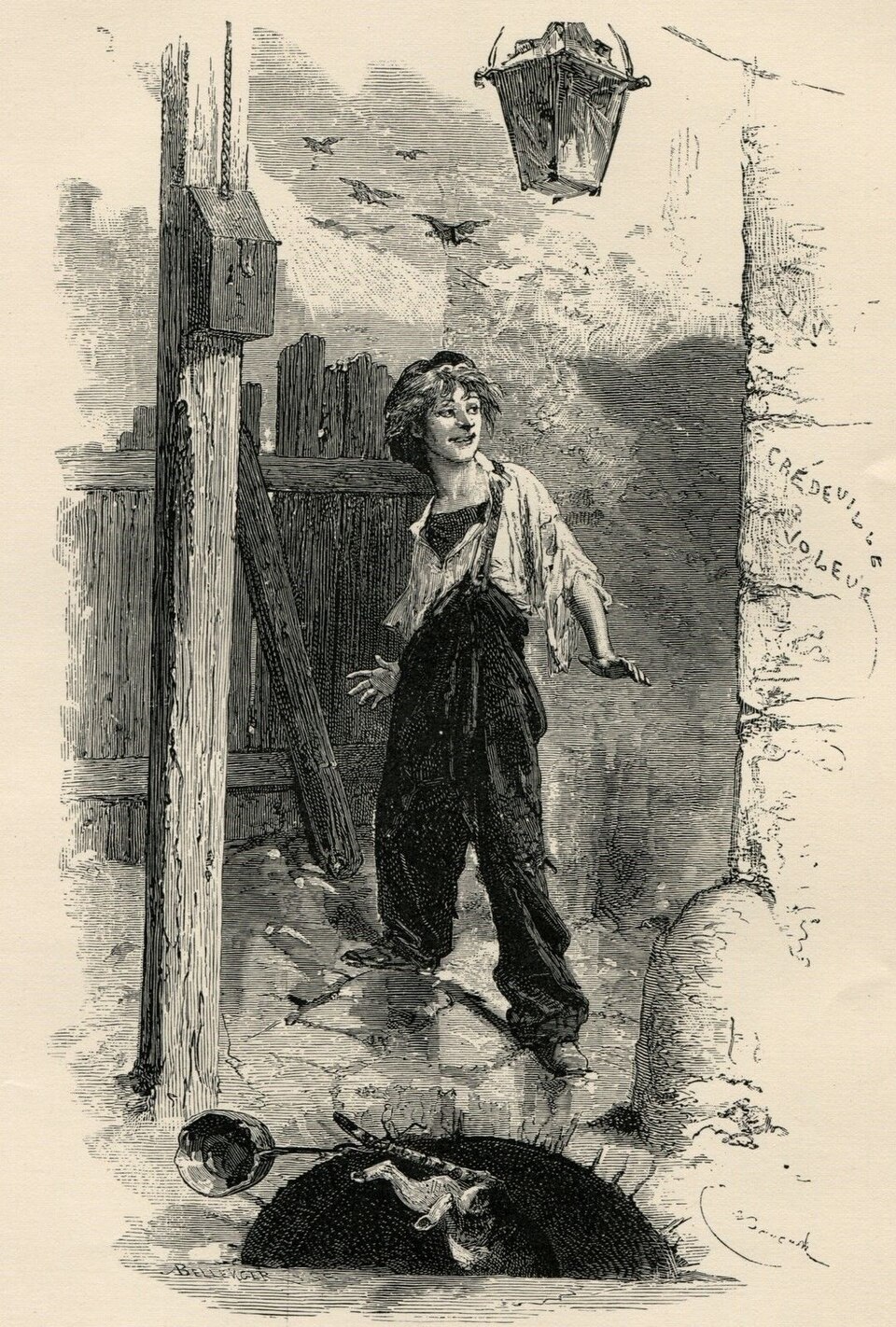
Years later, we meet Marius Pontmercy, a young man torn between his royalist grandfather and the memory of his father, a soldier of Napoleon. Paris, its students and its street children (including Gavroche) take center stage.
Volume 4: Saint-Denis
Love and politics collide. Marius falls for Cosette while his friends prepare an uprising. The volume builds toward the barricades of the June 1832 rebellion in Paris, a real historical event.
Volume 5: Jean Valjean
The barricade, the famous escape through the sewers of Paris, the final confrontation with Javert, and the ending. Bring tissues.
Can you skip the digressions?
Hugo regularly stops the story for long essays: Waterloo, convents, Parisian slang, the sewers. On a first reading, it is perfectly acceptable to skim them. Many readers come back to them later and find them fascinating, because they explain the world the characters live in.
Tips to actually finish it
- Read a little every day. Twenty pages a day gets you through the whole novel in about three months.
- Keep a character list. Names come back hundreds of pages later.
- Switch to audio for slow chapters. Several volumes have free public-domain audio versions on their pages. See our guide to free classic audiobooks.
- Use the online reader. It remembers your page on any device.
Is it free and legal?
Yes. Victor Hugo died in 1885, and the English translation offered here is also old enough to be in the public domain. If you enjoy it, continue with The Hunchback of Notre-Dame, or read our article on whether Quasimodo was a real person.
Cover image: Émile Bayard, public domain, via Wikimedia Commons.