


À propos
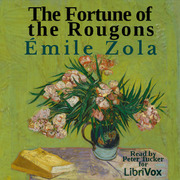
LibriVox recording of The Fortune of the Rougons by Émile Zola. (Translated by Ernest Alfred Vizetelly.) Read in English by Peter Tucker The Fortune of the Rougons (French: La Fortune des Rougon), originally published in 1871, is the first novel in Émile Zola's monumental twenty-volume series Les Rougon-Macquart. In his introduction Zola indicates that this series is intended to demonstrate the interaction of heredity and environment along the lines of natural selection and evolution. While Zola's metascience is questionable, this novel is successful in its analysis of the interaction of momentous social and political events and the everyday lives and aspirations of a provincial society. In a satisfyingly intricate, vast and integrated plot, set in the time of Napoleon III's coup d'etat and establishment of the Second Empire, the fates and fortunes of the disparate descendents of one Provencal family are traced in detail. The novel ranges from idyll to cynical observation of base motives, and ends in a way that anticipates its many sequels. Summary by the soloist. For further information, including links to online text, reader information, RSS feeds, CD cover or other formats (if available), please go to the LibriVox catalog page for this recording. For more free audio books or to become a volunteer reader, visit LibriVox.org . M4B Audiobook part 1 (186MB) M4B Audiobook part 2 (176MB)
Écouter en ligne
Chapitre 1 / 16
00 - Introduction and Author's Preface
Durée totale : 13:14:07
L'auteur
Émile Zola
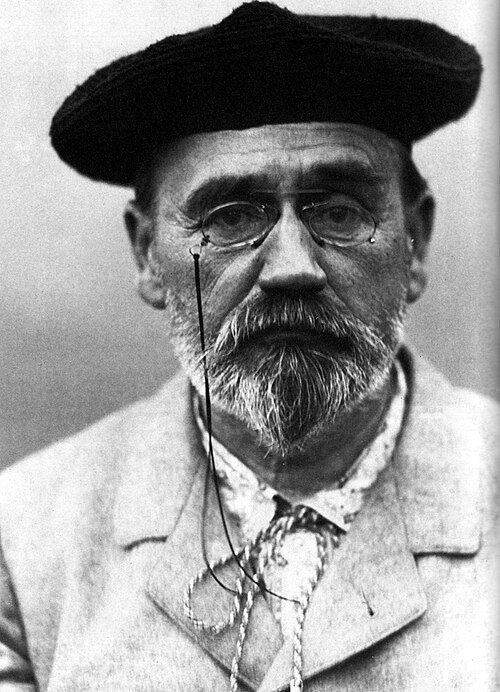
Émile Zola est un écrivain et journaliste français né le 2 avril 1840 à Paris et mort le 29 septembre 1902 dans la même ville. Considéré comme le chef de file du naturalisme, c'est l'un des romanciers français les plus populaires et l'un des plus publiés, traduits et commentés dans le monde entier. Il a durablement marqué de son empreinte le monde littéraire français. Ses romans ont connu de très nombreuses adaptations au cinéma et à la télévision. Sa vie et son œuvre ont fait l'objet de nombreuses études historiques. Sur le plan littéraire, il est principalement connu pour Les Rougon-Macquart, une fresque romanesque en vingt volumes dépeignant la société française sous le Second Empire qui met en scène la trajectoire de la famille des Rougon-Macquart, à travers ses différentes générations et dont chacun des représentants, d'une époque et d'une génération particulière fait l'objet d'un roman. Zola peint la société du Second Empire dans sa diversité, mettant en évidence sa dureté envers les ouvriers (Germinal, 1885), ses turpitudes (Nana, 1880), mais aussi ses succès (l’avènement des grands magasins dans Au Bonheur des Dames, 1883). Dans une recherche de la vérité qui prend pour mod
Voir tous ses livresDu même auteur
Avis & notes
Aucun avis pour le moment. Soyez le premier !
Des livres comme celui-ci