Informazioni
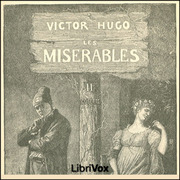
L'Art d'être grand-père de Victor Hugo lu pour Librivox par Bernard. Outre le lecteur, ce livre audio a été produit par : Auditrice attitrée / Dedicated Proof-Listener : Diana Majlinger Méta-coordination/Cataloguage / Meta-Coordinator/Cataloging : Ezwa L'Art d'être grand-père est un recueil de poèmes que Victor Hugo a publié en 1877. Suite à la mort de Charles Hugo, un de ses fils, et de sa femme, Victor Hugo prend en charge ses deux petits enfants Georges et Jeanne Hugo. Il écrit plusieurs poèmes illustrant les comportements et l'innocence reliée à ses petits-enfants qu'il élève seul et avec tendresse. (Résumé par Wikipédia) L'Art d'être grand-père ("The Art of Being a Grandfather") is a series of eighteen poems by Victor Hugo, published in 1877. They were among the last he wrote. On 13 March 1871, his 44-year-old son Charles died of a stroke, while riding in a carriage to a farewell dinner for some of Victor's friends at a restaurant in Bordeaux. Charles's wife died shortly afterwards, and Victor Hugo became the guardian of their children, Georges and Jeanne Hugo. The poems describe the feelings of a grandfather entrusted with innocent young children. Love and tenderness are celebrated, and the complexities, politics, and grand themes of his other poems are set aside. (Summary from Wikipedia) Pour plus d'informations, rendez-vous sur la page catalogue de cet enregistrement. Pour vous renseigner à notre sujet ou pour participer, rendez-vous sur librivox.org . Télécharger M4B
Ascolta online
Capitolo 1 / 68
01-01 L'exile satisfait
Durata totale: 4:29:07
L'autore
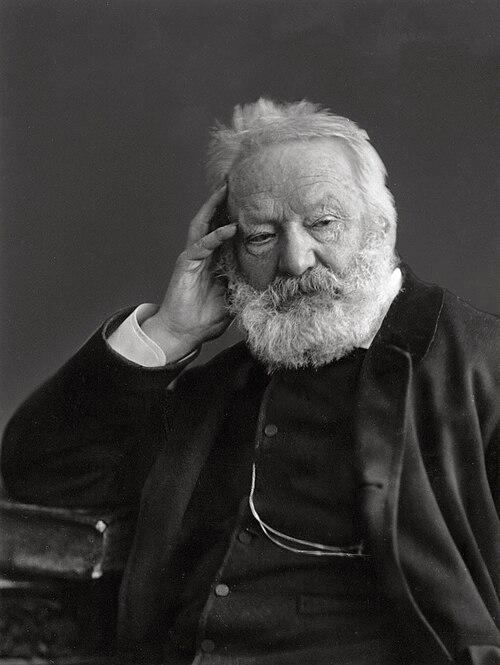
Victor Hugo
Victor-Marie Hugo, più comunemente noto come Victor Hugo (pronuncia francese [vikˈtɔʁ maˈʁi yˈɡo]; Besançon, 26 febbraio 1802 – Parigi, 22 maggio 1885) è stato uno scrittore, poeta, drammaturgo e politico francese, considerato il padre del Romanticismo in Francia. Si cimentò in numerosi campi, divenendo noto anche come saggista, aforista, artista visivo, statista e attivista per i diritti umani. Tra i principali teorici ed esponenti del movimento letterario romantico, seppe tenersi lontano dai modelli malinconici e solitari che caratterizzavano i poeti del tempo, riuscendo ad accettare le vicissitudini non sempre felici della sua vita (dei quattro figli che giunsero all'età adulta, tre morirono prima di lui, mentre la figlia Adèle finì ricoverata in manicomio) per farne esperienza esistenziale e cogliere i valori e le sfumature dell'animo umano. I suoi scritti giunsero a ricoprire tutti i generi letterari, dalla poesia lirica al dramma, dalla satira politica al romanzo storico e sociale, suscitando consensi in tutta Europa.
Vedi tutti i suoi libriDello stesso autore
Altri libri di poesia
Recensioni e voti
Ancora nessuna recensione. Scrivi la prima!
Libri simili