
Audio
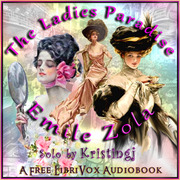
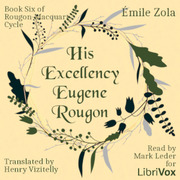
His Excellency Eugene Rougon, Book Six of Rougon-Macquart Cycle
- Lingua
- English
- Durata
- 17 h 05
- Download
- 0
Informazioni
LibriVox recording of His Excellency Eugene Rougon, Book Six of Rougon-Macquart Cycle by Émile Zola. (Translated by Ernest Alfred Vizetelly.) Read in English by Mark Leder. Here, in Zola's sixth novel in the Rougon-Macquart series, we get to know Pierre and Felicite's eldest son, Eugene. He's the son that made good, and stands at the pinnacle of power, at the very ear of the Emperor. But power carries with it its own perils, and so Eugene must face all manner of downturns and reversals to his fortune, and must encounter obstacles of all kinds, the chief of which being Clorinde Dalbi, an Italian beauty with the ambition and deviousness to match his own. - Summary by Mark Leder For further information, including links to online text, reader information, RSS feeds, CD cover or other formats (if available), please go to the LibriVox catalog page for this recording. For more free audio books or to become a volunteer reader, visit librivox.org . M4B Audiobook 00-17 (243MB) M4B Audiobook 18-37 (247MB)
Ascolta online
Capitolo 1 / 38
00 - Preface
Durata totale: 17:05:26
L'autore
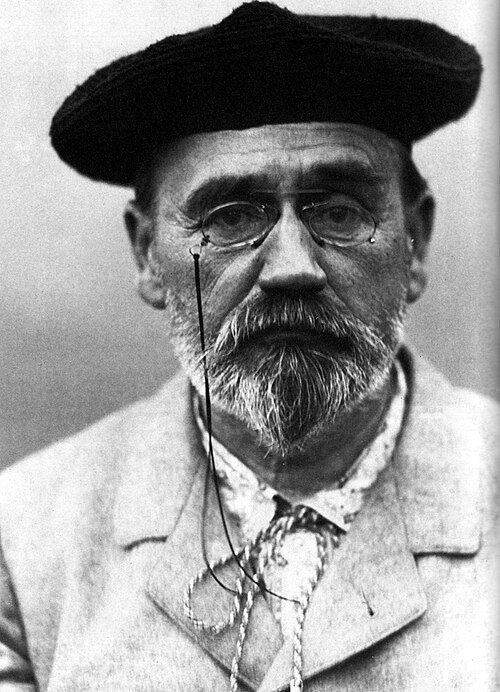
Émile Zola
Émile Édouard Charles Antoine Zola /eˈmil zɔˈla/ (Parigi, 2 aprile 1840 – Parigi, 29 settembre 1902) è stato uno scrittore, giornalista, saggista, critico letterario, filosofo e fotografo francese. Considerato uno dei maggiori esponenti del naturalismo, fu uno dei romanzieri francesi più apprezzati, più pubblicati, tradotti e commentati in tutto il mondo, lasciando il segno nel mondo letterario francese per molto tempo. I suoi romanzi hanno avuto diversi adattamenti per il cinema e per la televisione. La sua vita e la sua opera sono state oggetto di numerosi studi storici. A livello letterario, è maggiormente noto per i Rougon-Macquart, un affresco romantico in venti volumi raffigurante la società francese sotto il Secondo Impero che raffigura il percorso di una famiglia attraverso le sue diverse generazioni e di cui ciascuno dei rappresentanti, di una particolare epoca e generazione particolari, è oggetto di un romanzo. Zola descrisse la società del Secondo Impero nelle sue diversità, evidenziandone la durezza nei confronti dei lavoratori (Germinale, 1885), le sue turpitudini (Nanà, 1880), ma anche i suoi successi (Al paradiso delle signore, 1883). In una ricerca della verità che…
Vedi tutti i suoi libriDello stesso autore
Recensioni e voti
Ancora nessuna recensione. Scrivi la prima!
Libri simili