


Acerca del libro
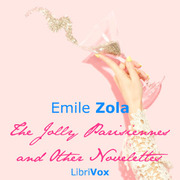
LibriVox recording of The Ladies' Paradise by Émile Zola. (Translated by Ernest Alfred Vizetelly.) Read in English by Kristin Gjerløw Zola's original French publication, Au Bonheur des Dames ("The Ladies' Delight"), published 1882, is the eleventh novel in his Rougon-Macquart series. This English translation by Ernest Alfred Vizetelly, was published in 1886. It's a glitzy, fast paced Parisian drama depicting life at the world's first department store, revealing its many innovative marketing concepts, fashion, glamour, lust, greed, courage, deception, human foibles, and the vision and financial risk-taking that led to a world transformation in shopping -- one that set all the little shop keepers on their heads. All this is contrasted by our heroine Denise, a young sales woman who struggles through financial hardship, back-stabbing friendships, and incredible temptations with a quiet courage that helps her rise to the top. As she passes through fire and emerges from it unscathed, we get Zola's masterful depiction of social upheaval and feminine resistance to evil. In 2012 the BBC used the novel as the basis for an eight-part television series set in northern England titled The Paradise. A second season followed in 2013. The novel was also was adapted into a play, The Ladies' Delight, for BBC Radio 4, premiering in September 2010. ~ Solo by Kristinjg, Edited by Michele Fry, Summary by Michele Fry For further information, including links to online text, reader information, RSS fe
Escuchar en línea
Capítulo 1 / 34
01 - Chapter 1, Part 1
Duración total: 16:11:05
El autor
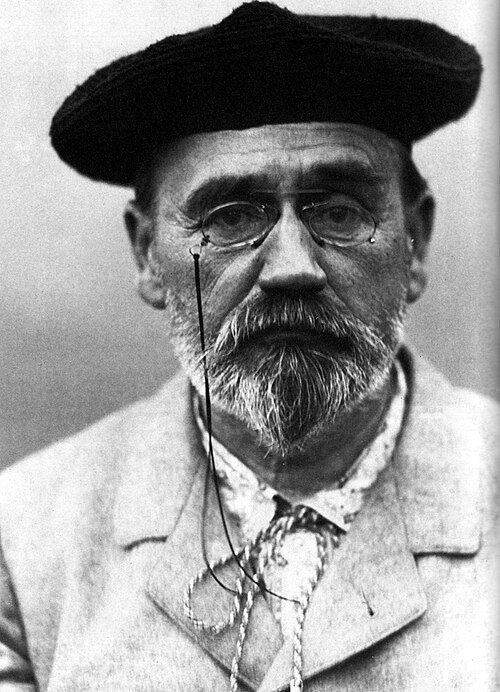
Émile Zola
Émile Édouard Charles Antoine Zola, más conocido como Émile Zola (París, 2 de abril de 1840-París, 29 de septiembre de 1902) fue un escritor, novelista, periodista y dramaturgo francés, considerado el padre y el mayor representante del naturalismo literario y un contribuyente importante al desarrollo del naturalismo teatral. Es uno de los novelistas franceses más populares y uno de los más publicados, traducidos y comentados en todo el mundo. Dejó una huella duradera en el mundo literario francés. Sus novelas han sido adaptadas numerosas veces para el cine y la televisión. Fue una figura importante en la liberalización política de Francia y en la exoneración del oficial del ejército acusado falsamente y convicto Alfred Dreyfus, que está encapsulada en su famosa pieza de opinión titulada «J’accuse…!» (lit., «Yo acuso»), que le costó el exilio de su país. Zola fue candidato al primer y segundo Premio Nobel de Literatura en 1901 y 1902. Sus restos descansan desde 1908 en el Panteón de París. Su vida y obra han sido objeto de numerosos estudios históricos. En el plano literario, es conocido principalmente por Los Rougon-Macquart, un obra romántica de veinte volúmenes que…
Ver todos sus librosDel mismo autor
Más de historia
Opiniones y valoraciones
Todavía no hay opiniones. ¡Sé el primero!