

Acerca del libro
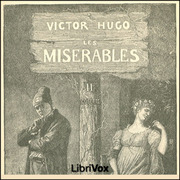
LibriVox recording of Hans of Iceland by Victor Hugo. (Translated by Abby Langdon Alger.) Read in English by Sonia Hans of Iceland was written in 1821 and is the very first novel written by young Victor, years before he became the great Hugo. It has all the ingredients of a gothic novel: dreadful murders by the hand of a human monster, a young hero in love with the destitute heroine, royal court-intrigues and rebellious uprising, all set in dungeons, dark towers and the untamed nature of Norway. This audio-book has been recorded as Dramatic Reading with all the voices performed by one single reader, including laughs, sobs, groans, occasional screams and a lot of growls. I hope you will enjoy listening to this adventurous journey just as much as I enjoyed recording it. - Summary by Sonia For further information, including links to online text, reader information, RSS feeds, CD cover or other formats (if available), please go to the LibriVox catalog page for this recording. For more free audio books or to become a volunteer reader, visit LibriVox.org . M4B Audiobook part 1 (183MB) M4B Audiobook part 2 (180MB)
Escuchar en línea
Capítulo 1 / 55
01 - Introduction
Duración total: 13:12:28
El autor
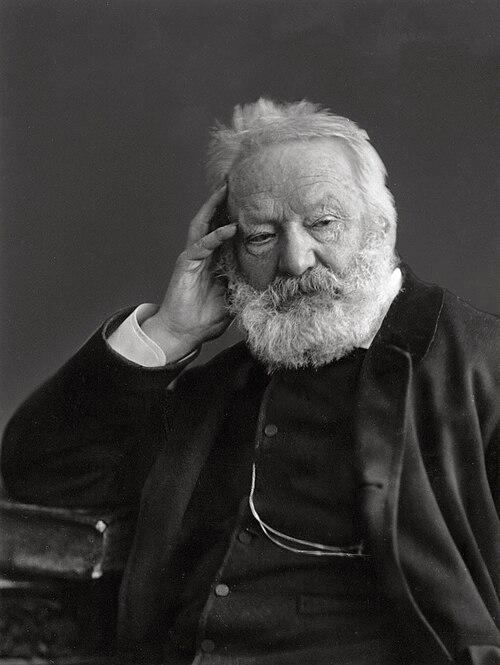
Victor Hugo
Victor Hugo (Besanzón, 26 de febrero de 1802 ‑ París, 22 de mayo de 1885) fue un poeta, dramaturgo y novelista romántico francés, considerado como uno de los más importantes en lengua francesa. También fue un político e intelectual comprometido, con gran influencia en los debates del siglo XIX. Era hermano de los también escritores Eugène Hugo y Abel Hugo. Ocupa un puesto notable en la historia de las letras francesas del siglo XIX en una gran variedad de géneros y ámbitos. Fue un poeta lírico, con obras como Odas y baladas (1826), Las hojas de otoño (1832) o Las contemplaciones (1856), poeta comprometido contra Napoleón III en Los castigos (1853) y poeta épico en La leyenda de los siglos (1859 y 1877). Fue también un novelista popular y de gran éxito con obras como Nuestra Señora de París (1831), Los miserables (1862) y El hombre que ríe (1869). En teatro expuso su teoría del drama romántico en la introducción de Cromwell (1827), y la ilustra principalmente con Hernani (1830), El rey se divierte (1832) y Ruy Blas (1838). Varios de sus dramas fueron llevados a la ópera por los compositores renombrados de su época, muy notablemente Donizetti (Lucrezia Borgia), Mercadante (Il…
Ver todos sus librosDel mismo autor
Más de novelas
Opiniones y valoraciones
Todavía no hay opiniones. ¡Sé el primero!