
PDFEPUBRead online
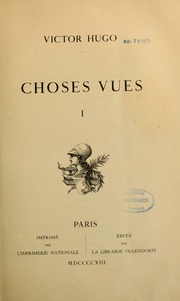
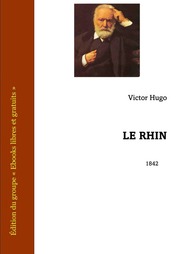
Victor Hugo - Le Rhin (1842) [FR]
- Language
- Français
- Pages
- 753
- Downloads
- 0
About
HUGO, VICTOR : Le Rhin - Documents - Essais ⭐ Fourni par www.eDitionEtoile.com Par le biais de longues lettres envoyées à un ami, Victor Hugo décrit un long voyage qu'il entreprend sur les bords du Rhin. Prétexte à toutes les rêveries, le périple du poète est tour à tour, une réflexion, un journal de bord, une description de monuments, un recueil d'anecdotes. Le lecteur suit le fil des pensées de Victor Hugo comme lui-même suit le fil du fleuve. Difficile de ne pas se laisser emporter par la prose du grand homme. (QuartierLivre, Babelio) Édition Ebooks libres et gratuits. - Parution le 01/04/2025 Mobipocket : 2,4 Mo | PDF : 3,3 Mo | Source Word : 1,8 Mo | HTML : 1,3 Mo | ePub : 696 Ko
The author
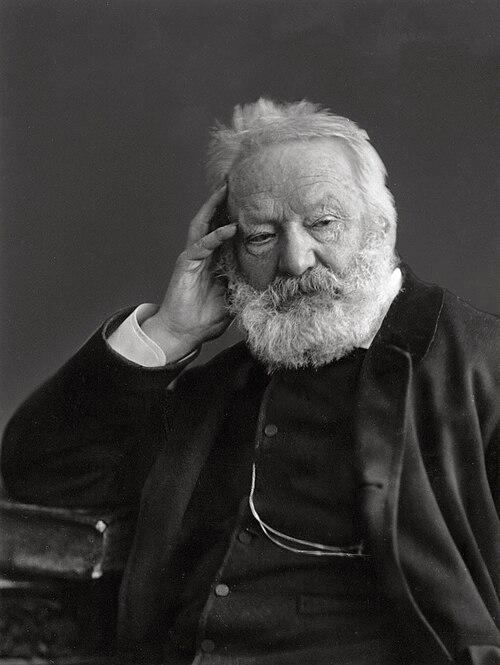
Victor Hugo
Victor-Marie Hugo, vicomte Hugo (French: [viktɔʁ maʁi yɡo] ; 26 February 1802 – 22 May 1885) was a French Romantic author, poet, essayist, playwright, journalist, human rights activist and politician. His most famous works are the novels The Hunchback of Notre-Dame (1831) and Les Misérables (1862). In France, Hugo is known for his poetry collections, such as Les Contemplations and La Légende des siècles (The Legend of the Ages). Hugo was at the forefront of the Romantic literary movement with his play Cromwell and drama Hernani. His works have inspired music, both during his lifetime and after his death, including the opera Rigoletto and the musicals Les Misérables and Notre-Dame de Paris. He produced more than 4,000 drawings in his lifetime, and campaigned for social causes such as the abolition of capital punishment and slavery. Although he was a committed royalist when young, Hugo's views changed as the decades passed, and he became a passionate supporter of republicanism, serving in politics as both deputy and senator. His work touched upon most of the political and social issues and the artistic trends of his time. His opposition to absolutism, and his literary stature,…
See all their booksBy the same author
Reviews & ratings
No reviews yet. Be the first!
Books like this one