Honoré De Balzac - La Fausse Maîtresse (1841) (FR)PDF
PDFEPUBRead online
Honoré De Balzac - La Fausse Maîtresse (1841) (FR)
- Language
- Français
- Pages
- 127
- Downloads
- 0
About
La Fausse maîtresse - Nouvelles - Contes 1842. La Comédie humaine - Études de moeurs. Premier livre, Scènes de la vie privée - Tome I. Premier volume de l’édition Furne 1842 Clémentine du Rouvre a épousé le comte Laginski, noble polonais. Elle découvre que depuis un bon moment, la fortune de sa maison est en fait gérée, secrètement, par un autre polonais, Paz, ami de son mari: la voici quasiment «mariée avec deux polonais». Clémentine et Paz se découvrent, mais Paz, par fidélité à son ami, s’invente une liaison avec Malaga, une écuyère de cirque.
The author
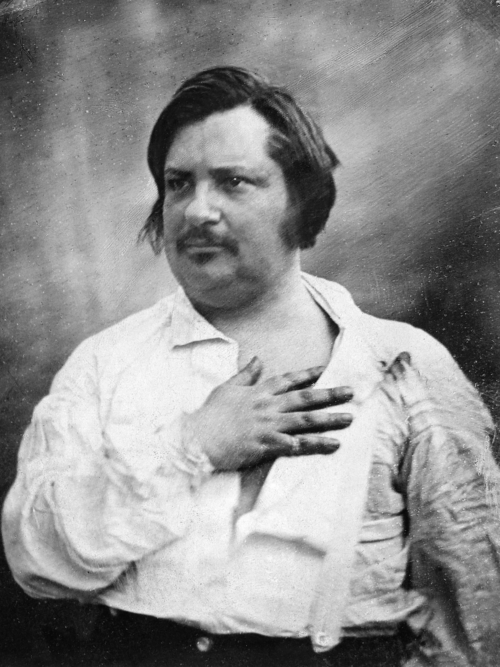
Honoré de Balzac
Honoré de Balzac ( BAL-zak, also US: BAWL-; French: [ɔnɔʁe d(ə) balzak]; born Honoré Balzac; 20 May 1799 – 18 August 1850) was a French novelist and playwright. The novel sequence La Comédie humaine, described as a panorama of post-Napoleonic French life, is generally viewed as his magnum opus. Due to his keen observation of detail and unfiltered representation of society, Balzac is regarded as one of the founders of realism in European literature. He is renowned for his multi-faceted characters; even his lesser characters are complex, morally ambiguous and fully human. Inanimate objects are imbued with character as well; the city of Paris, a backdrop for much of his writing, takes on many human qualities. His writing influenced many famous writers, including the novelists Émile Zola, Charles Dickens, Marcel Proust, Gustave Flaubert, Henry James and Fyodor Dostoevsky, and filmmakers François Truffaut and Jacques Rivette. Many of Balzac's works have been made into films and his work has served as a framework for other writers. James called him "really the father of us all."
See all their booksBy the same author
Reviews & ratings
No reviews yet. Be the first!
Books like this one